
Why Your Website Isn’t Converting
Why Your Website Isn’t Converting Visitors Into Customers
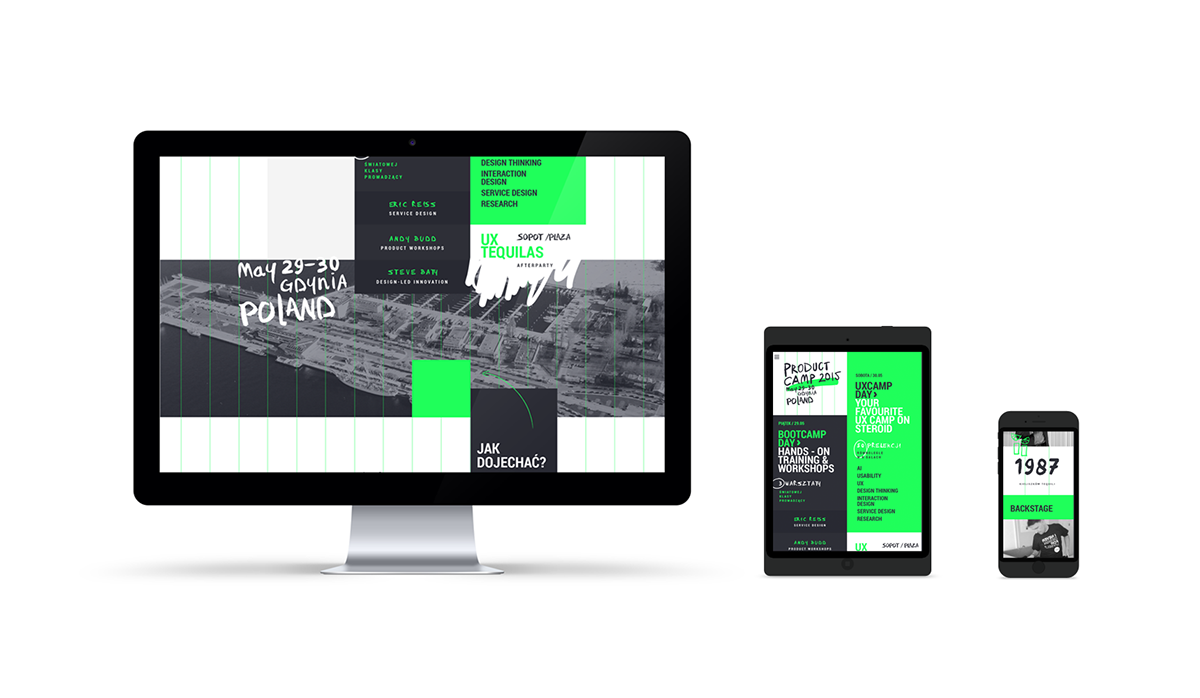
Most businesses believe they have a traffic problem, but in reality, they have a conversion problem. You can drive visitors to your website through ads, social media, or SEO, but if your website isn’t built to convert, that traffic means nothing. A website should function as a system that turns attention into action. If it doesn’t, it’s simply costing you opportunities.
The truth is, most websites fail because they are designed to look good instead of being structured to perform. A high-converting website is intentional. It guides users, builds trust, and leads them toward a clear outcome.
The Real Reason Your Website Isn’t Converting
Your website likely isn’t converting because it lacks the essential components of a conversion-focused system. Instead of guiding users through a decision-making process, it leaves them unsure of what to do next.
Common issues include:
- Lack of clear messaging
- Weak or outdated design
- No structured user journey
- Missing calls-to-action
- Limited trust signals
- Poor mobile performance
When these elements are missing, visitors leave without taking action.
Your Website Isn’t Building Trust Fast Enough
When someone lands on your website, they make a decision within seconds. If your design feels outdated, inconsistent, or generic, it immediately creates doubt. Users associate visual quality with business credibility, which means your design directly impacts whether someone trusts you or not.
Strong websites establish trust instantly by presenting a clean, modern, and consistent brand identity. Without that, users hesitate—and hesitation leads to lost conversions.
Key trust factors include:
- Professional, modern design
- Consistent branding across all pages
- High-quality visuals and layout
- Clear and confident messaging
Your Messaging Isn’t Clear or Direct
One of the biggest reasons websites fail to convert is because they are not clear about what they offer. Visitors should not have to guess what your business does or how it helps them. If your message isn’t immediately understood, users will leave and look elsewhere.
Your website should quickly communicate:
- What you do
- Who you help
- What problem you solve
- Why your solution matters
Clarity removes friction. Confusion creates it.
There’s No Conversion Strategy Behind Your Design
A website that converts follows a specific structure. Without it, users don’t know where to go or what to do. Many websites simply present information without guiding the visitor through a logical process.
A high-converting structure includes:
- Identifying the user’s problem
- Presenting a clear solution
- Providing proof or credibility
- Leading to a direct action
Without this flow, even great design won’t convert.
Your Website Lacks Strong Calls-to-Action
If your website doesn’t clearly tell users what to do next, they won’t take action. Every page should have a defined purpose and a clear next step. Whether it’s booking a service, making a purchase, or requesting more information, the action should be obvious and easy.
Effective calls-to-action are:
- Clear and direct
- Visually noticeable
- Placed strategically throughout the page
- Focused on one primary action
When users are guided properly, conversions increase.
Your Mobile Experience Is Hurting Your Conversions
A large percentage of users visit websites on mobile devices. If your website isn’t optimized for mobile, you are losing potential customers before they even engage with your content.
Common mobile issues include:
- Slow loading speeds
- Poor layout responsiveness
- Difficult navigation
- Cluttered design
A mobile-optimized website ensures that users can easily browse, understand, and take action from any device.
Your Website Doesn’t Have Enough Trust Signals
Before making a decision, users look for proof. If your website doesn’t demonstrate credibility, users will hesitate or leave entirely. Trust signals play a critical role in helping visitors feel confident in choosing your business.
Important trust signals include:
- Testimonials from real clients
- Case studies or results
- Portfolio examples
- Clear brand positioning
Without these elements, users have no reason to trust your business over another.
Why Your Website Is Not Converting (Quick Answer)
Your website isn’t converting because it lacks clear messaging, strong design, a structured user journey, and trust-building elements. Without these, visitors leave without taking action, resulting in lost leads and sales.
How to Fix a Low-Converting Website
Improving your website isn’t about making small changes—it’s about improving how it functions as a system. A high-performing website is designed to guide users and remove friction at every step.
To improve conversions, focus on:
- Strengthening your branding and visual identity
- Simplifying and clarifying your messaging
- Structuring your website for user flow
- Improving speed and mobile performance
- Adding clear calls-to-action
- Integrating trust signals throughout the site
When these elements are aligned, your website becomes a tool for growth rather than a missed opportunity.
What a High-Converting Website Actually Does
A high-converting website is built with intention. It doesn’t rely on guesswork. Instead, it creates a seamless experience that leads users toward a decision.
A strong website will:
- Capture attention immediately
- Communicate value clearly
- Build trust quickly
- Guide users step-by-step
- Convert visitors into customers
Anything less is limiting your business potential.
Final Thoughts
Your website should be one of your most valuable business assets. If it’s not generating leads, increasing sales, or supporting your growth, it’s not doing its job. In today’s digital landscape, performance matters more than appearance.
Light:Brand-22 Approach
At Light:Brand-22, the focus isn’t just on design—it’s on performance. Every brand and website is built to attract attention, establish authority, and convert consistently.
Because in today’s market, it’s not enough to simply exist online. Your business needs to stand out, connect, and perform at a high level.